
How we make it
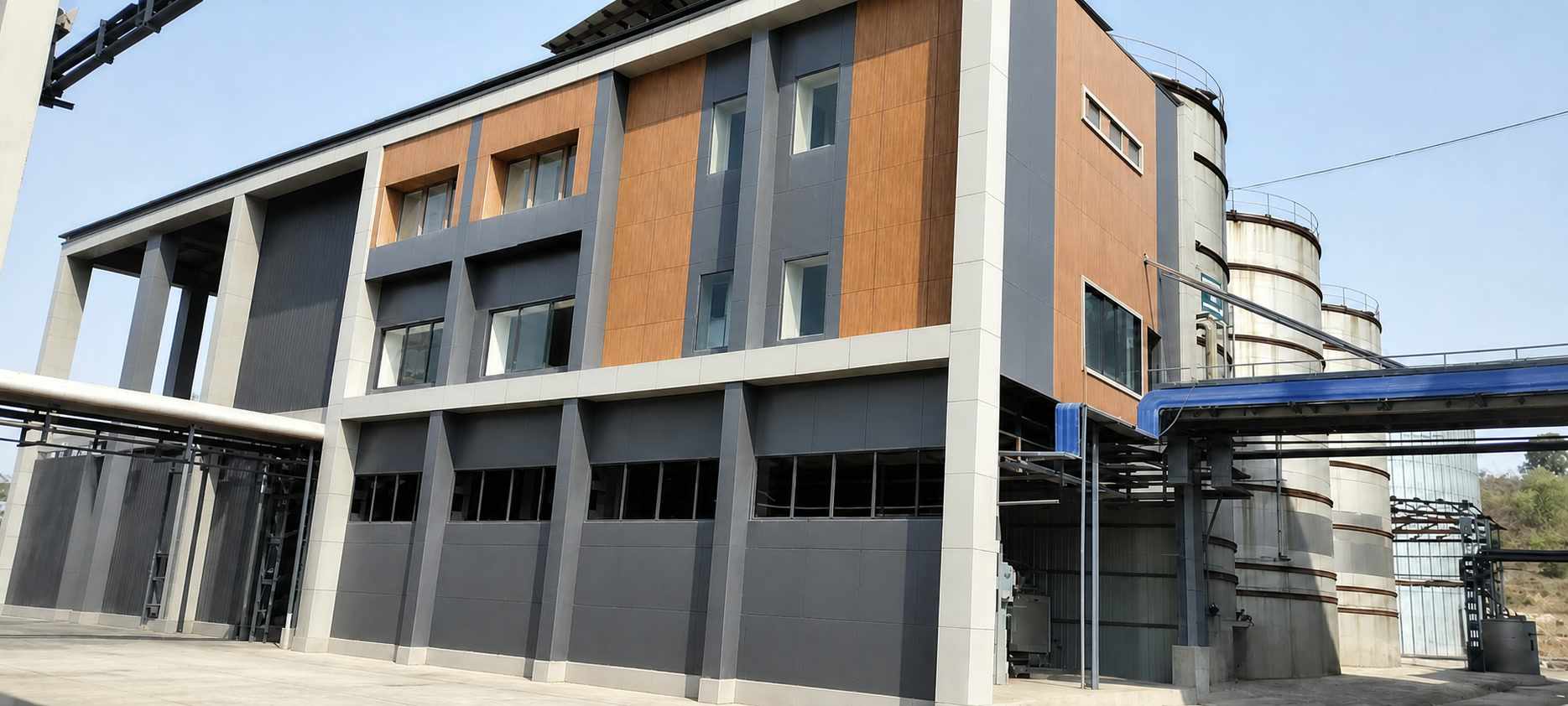
One site. Four processes.
Cane becomes sugar. The fibre left after crushing becomes the power and steam that run the entire complex. The filter cake pressed out during juice clarification becomes vehicle-grade fuel.
- 8,000 TCD Sugar mill
- 300 KLPD Grain distillery
- 36 MW Bagasse cogeneration
- 15 TPD CBG under development
Sugar
How sugar is made.
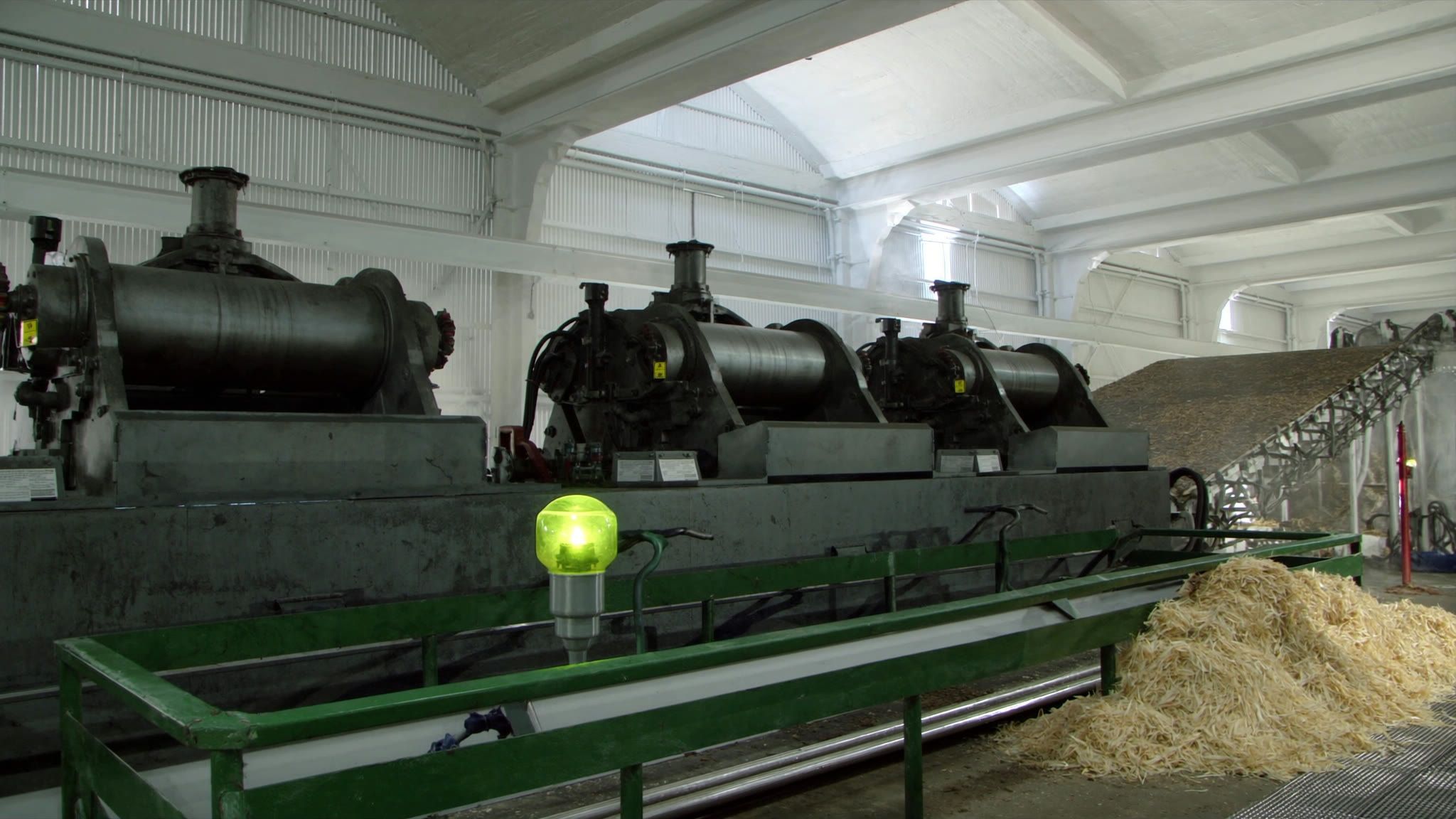
Cane is crushed and the juice clarified into sugar.
- 8,000 TCD
- Cane crushing
- 01
Cane intake
This is the beginning of every other process on site, and the relationship that everything else is built on.
- 02
Crushing
Cane is crushed and the juice extracted. What is left is bagasse — the fibre after crushing — and we treat it as feedstock, not as something to dispose of.
Leaves here Bagasse
- 03
Juice clarification
The juice is clarified. The filter cake removed at this stage is press mud: most mills treat it as a problem to be disposed of, we treat it as feedstock.
Leaves here Press mud
- 04
Evaporation
The clarified juice is concentrated into syrup.
- 05
Crystallisation
The syrup is boiled until sugar crystals form.
- 06
Centrifuging
The crystals are separated from the liquor around them. What will not crystallise any further leaves as molasses.
Leaves here Molasses
- 07
Drying & bagging
The sugar is dried, graded and bagged.
Sold to wholesale and industrial buyers
Ethanol
How ethanol is made.
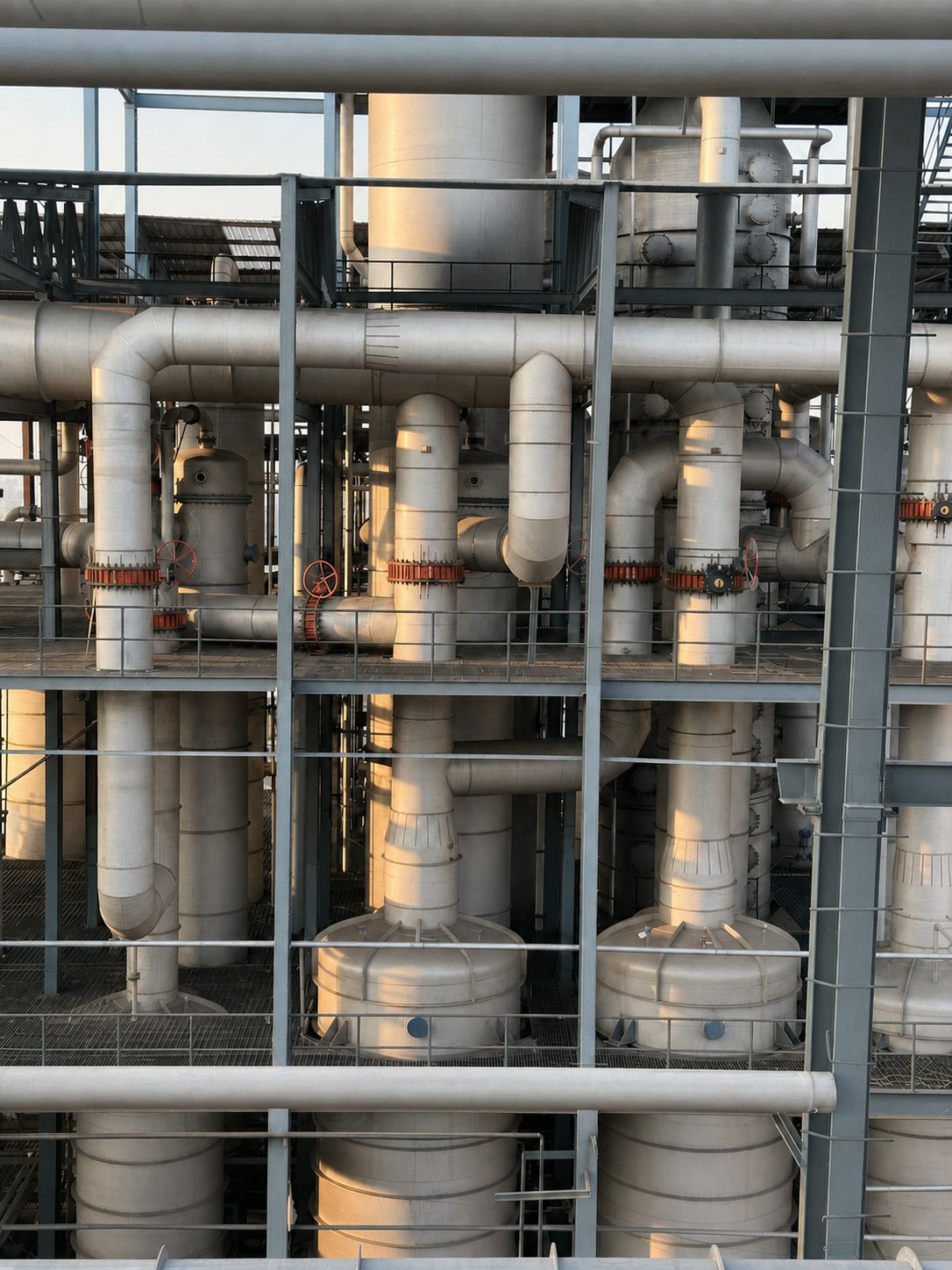
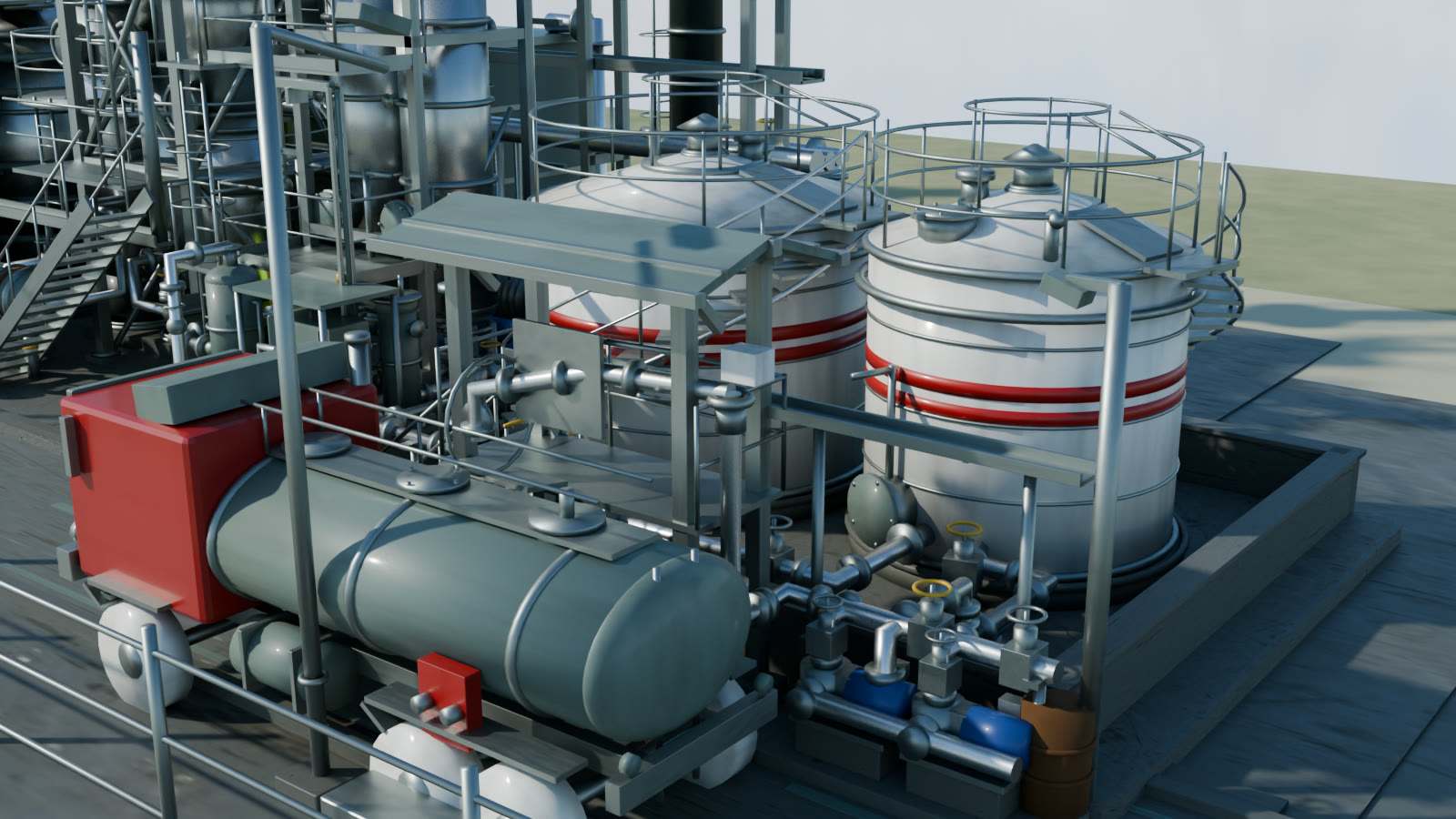
Our grain distillery converts maize into fuel-grade ethanol for India’s blending programme, running on steam and power from the cogeneration plant next door.
So the same complex supplies a transport fuel and a feed product, from one integrated steam and power system.
- 300 KLPD
- Fuel-grade ethanol, expandable to 600 KLPD
- 01
Maize intake
Grain is received and stored — bought from the same farms, under the same relationships, as the cane.
- 02
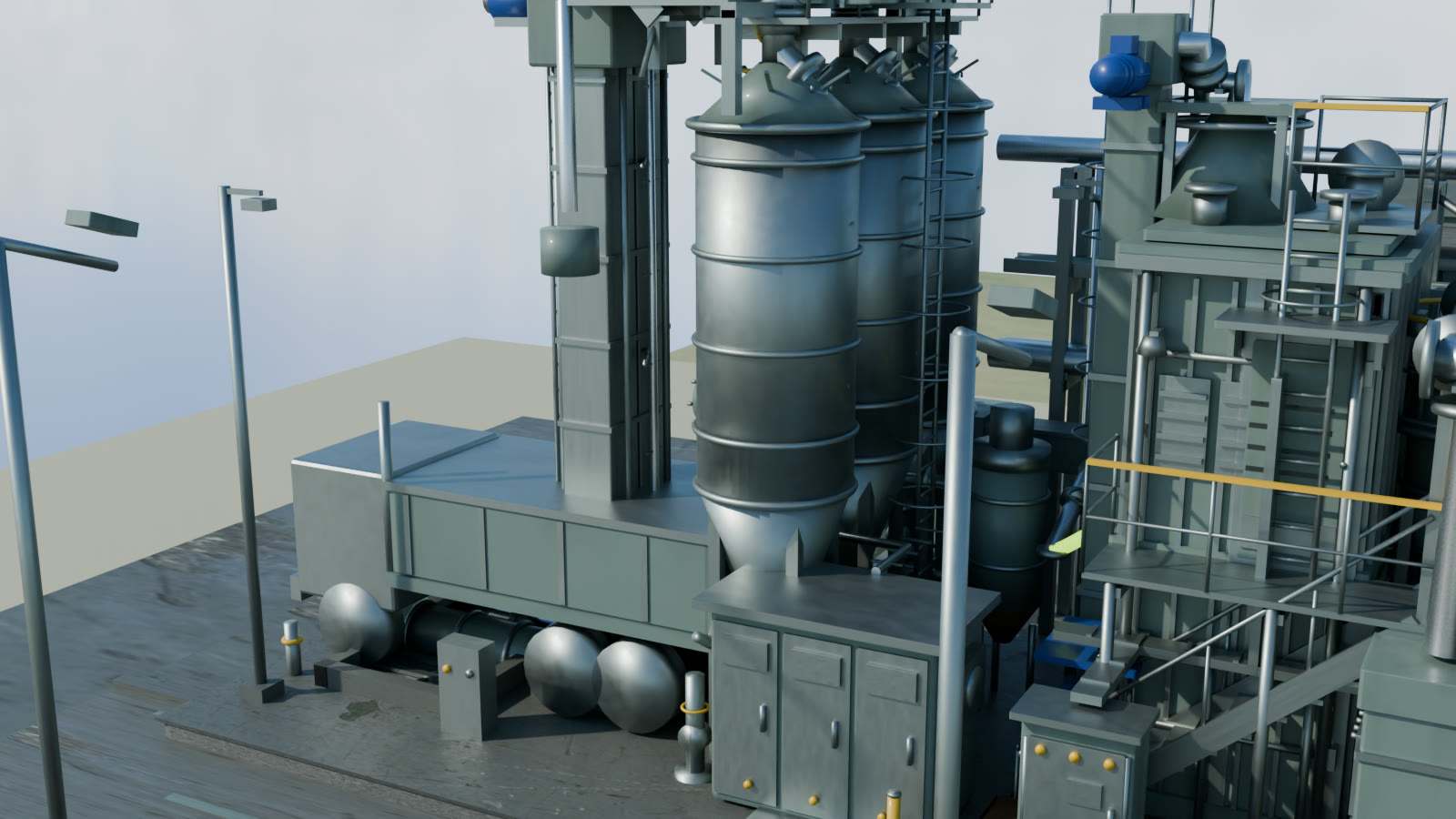
Milling
The grain is milled.
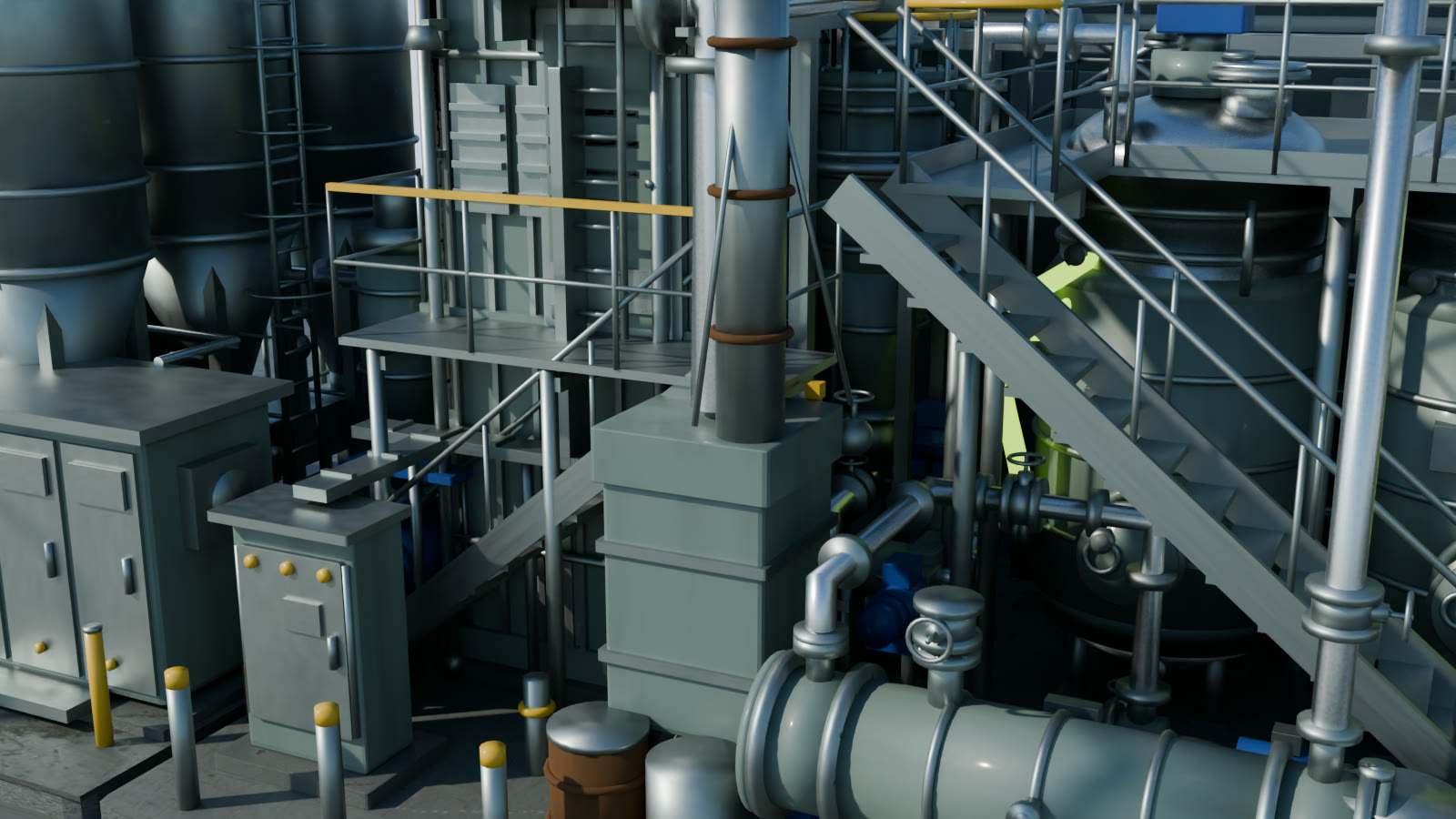
- 03
Liquefaction & saccharification
The starch in the grain is broken down into fermentable sugars.
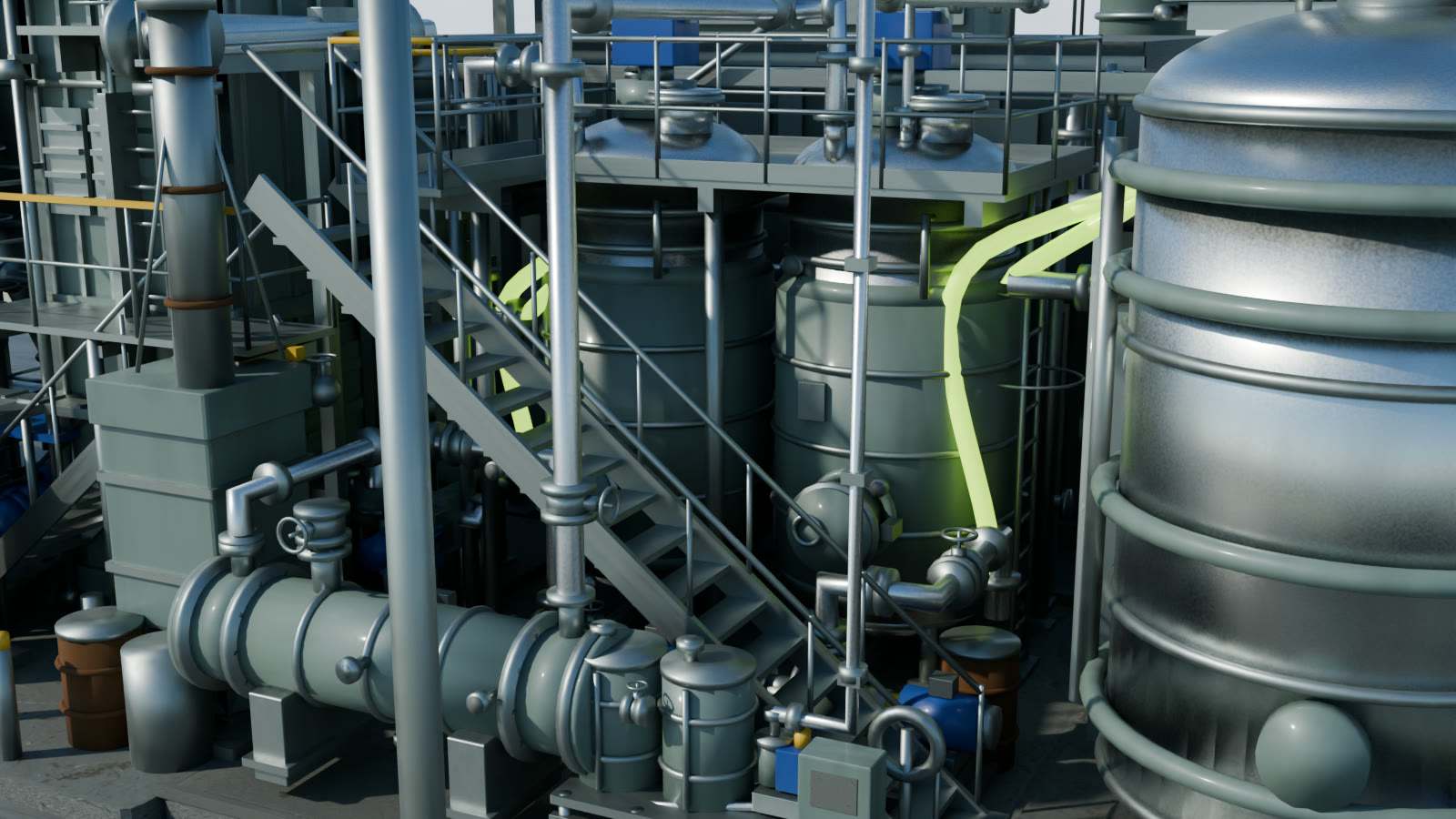
- 04
Fermentation
The sugars are fermented to alcohol. Carbon dioxide comes off the fermentation and is recoverable.
Leaves here CO₂
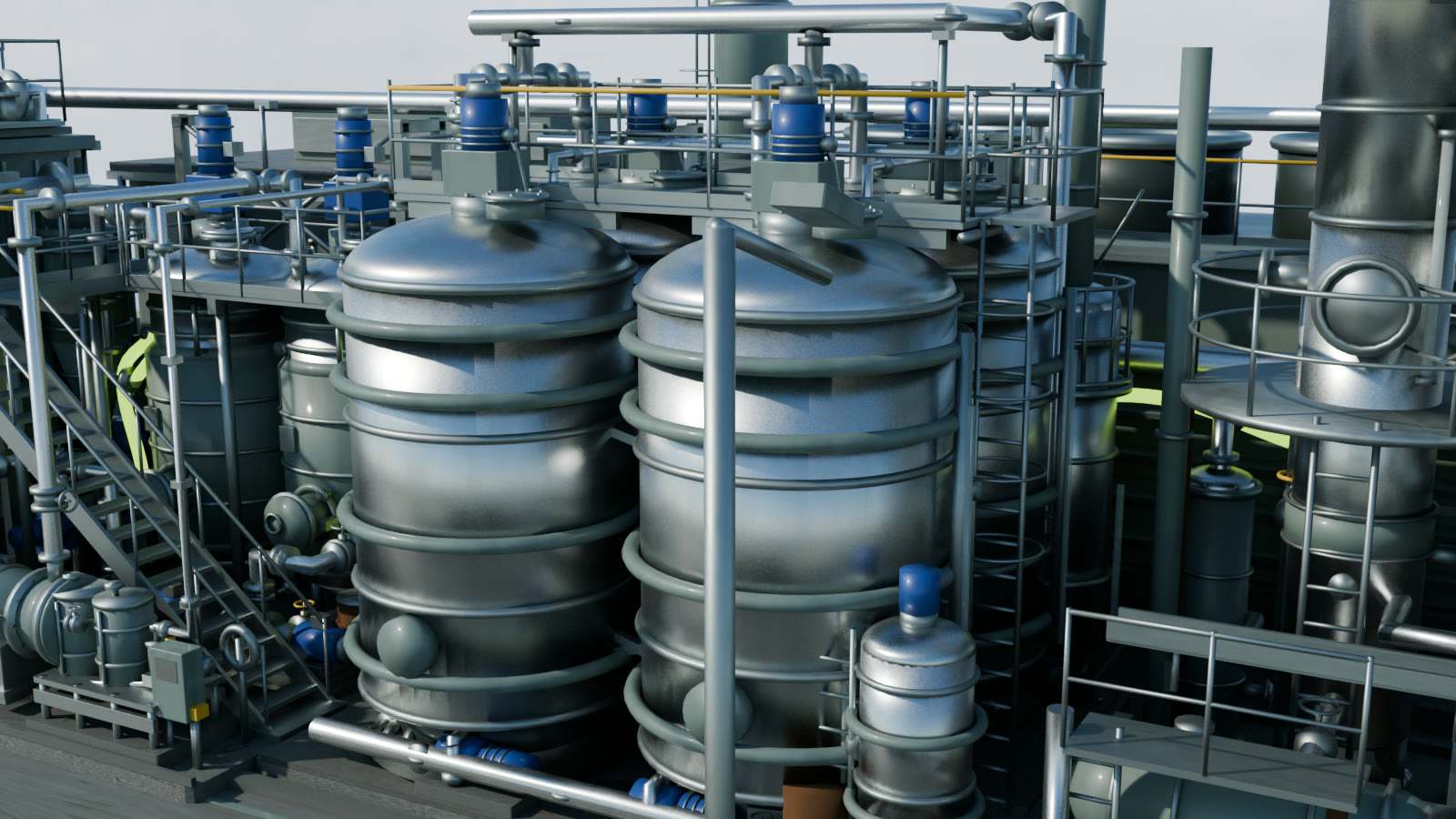
- 05
Distillation
The alcohol is distilled out of the mash. The distillery’s own residue does not go to waste either — it is recovered as DDGS, a high-protein cattle feed that goes back into the rural economy as livestock nutrition.
Leaves here DDGS
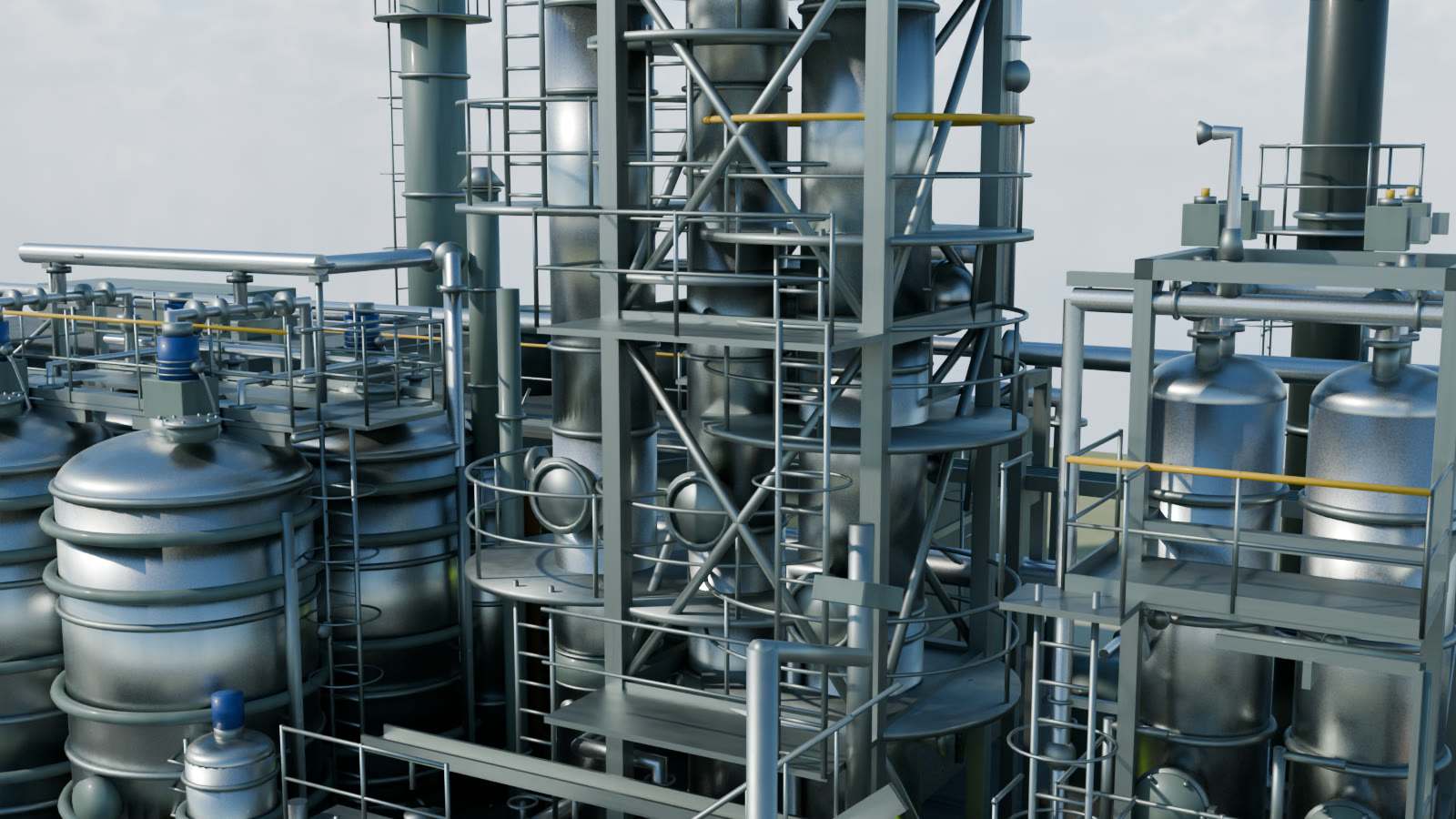
- 06
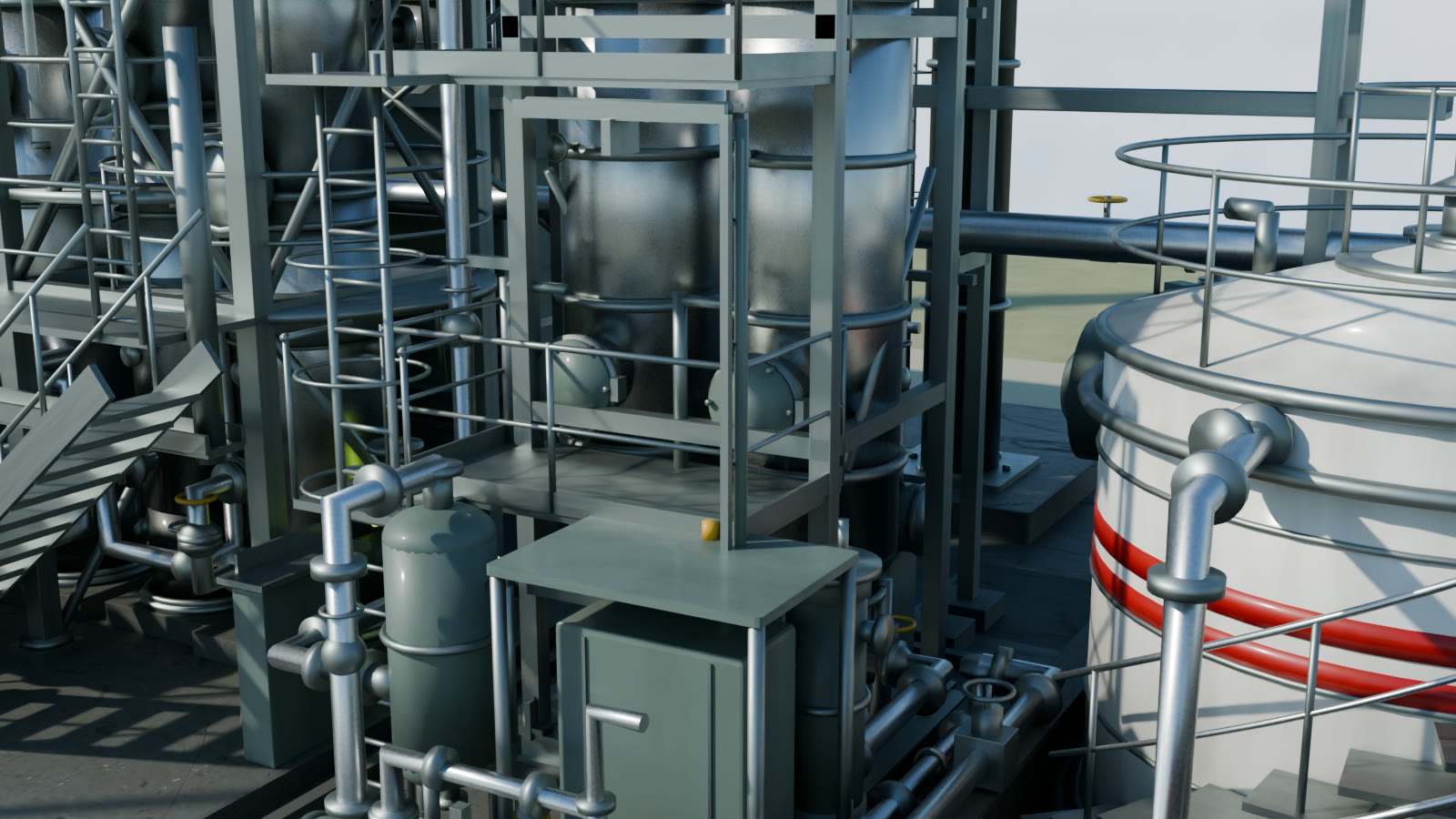
Dehydration
The remaining water is taken out to reach anhydrous, fuel-grade ethanol.
- 07
Storage & despatch
The ethanol is stored and despatched for India’s blending programme.
Supplied to oil marketing companies
Power
How power is made.
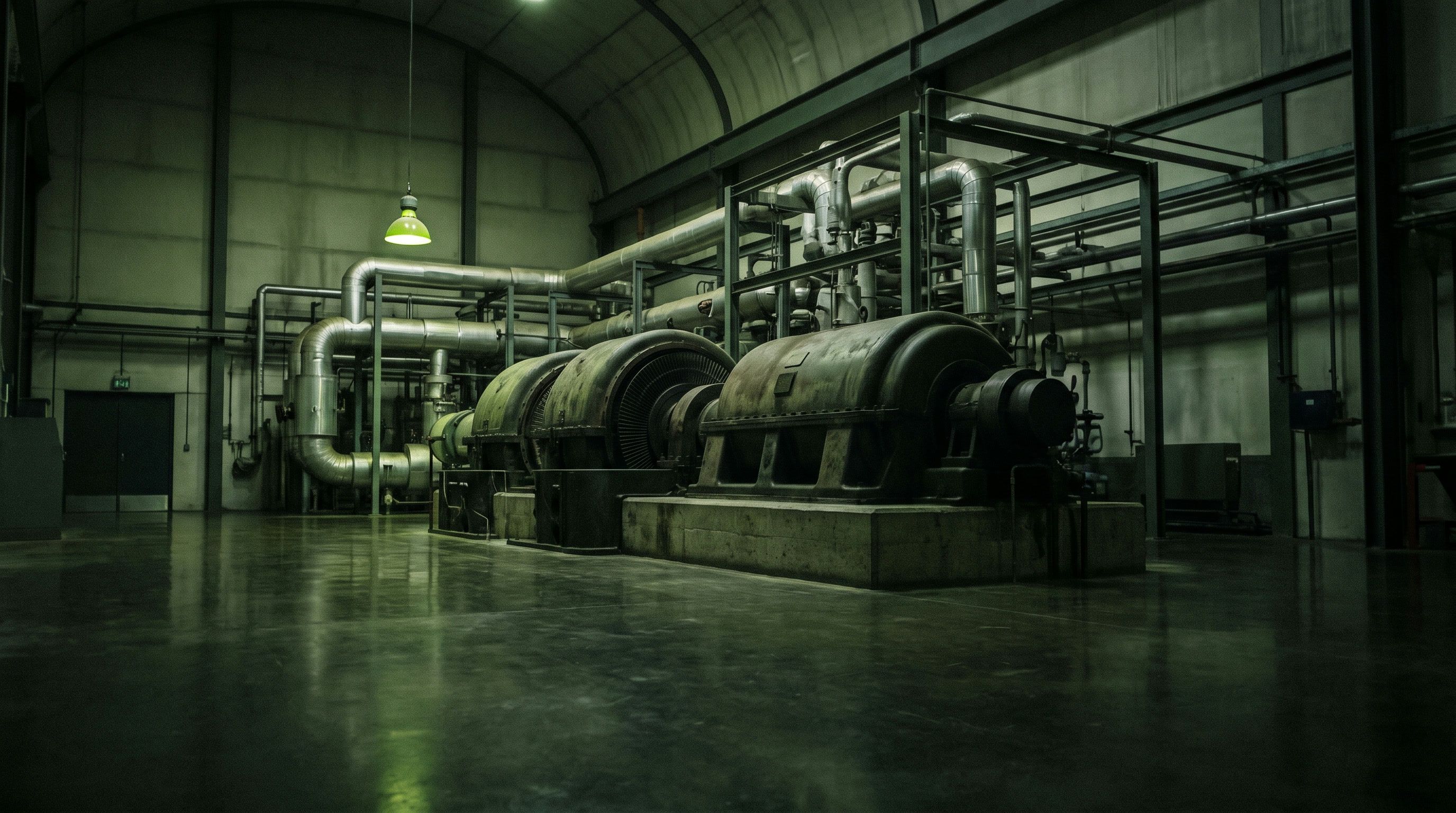
Bagasse is fired in our cogeneration plant to raise steam and generate electricity.
The complex is not powered by coal or by grid electricity — it is powered by the residue of the cane the farmer delivered that morning.
- 36 MW
- Installed
- ~10 MW
- Exported to the state grid
- 01
Bagasse
The fibre left after crushing goes from the mill to the cogeneration plant.
- 02
Boiler
Bagasse is fired to raise steam.
- 03
Turbine
The steam generates electricity, and steam is taken off for the mill and the distillery as process heat.
Leaves here Process steam
- 04
Captive load & grid export
That power and steam run the sugar mill and the distillery. The surplus is exported to the state grid.
36 MW installed · commissioned 2016
Leaves here ~10 MW
The loop
The integrated loop.
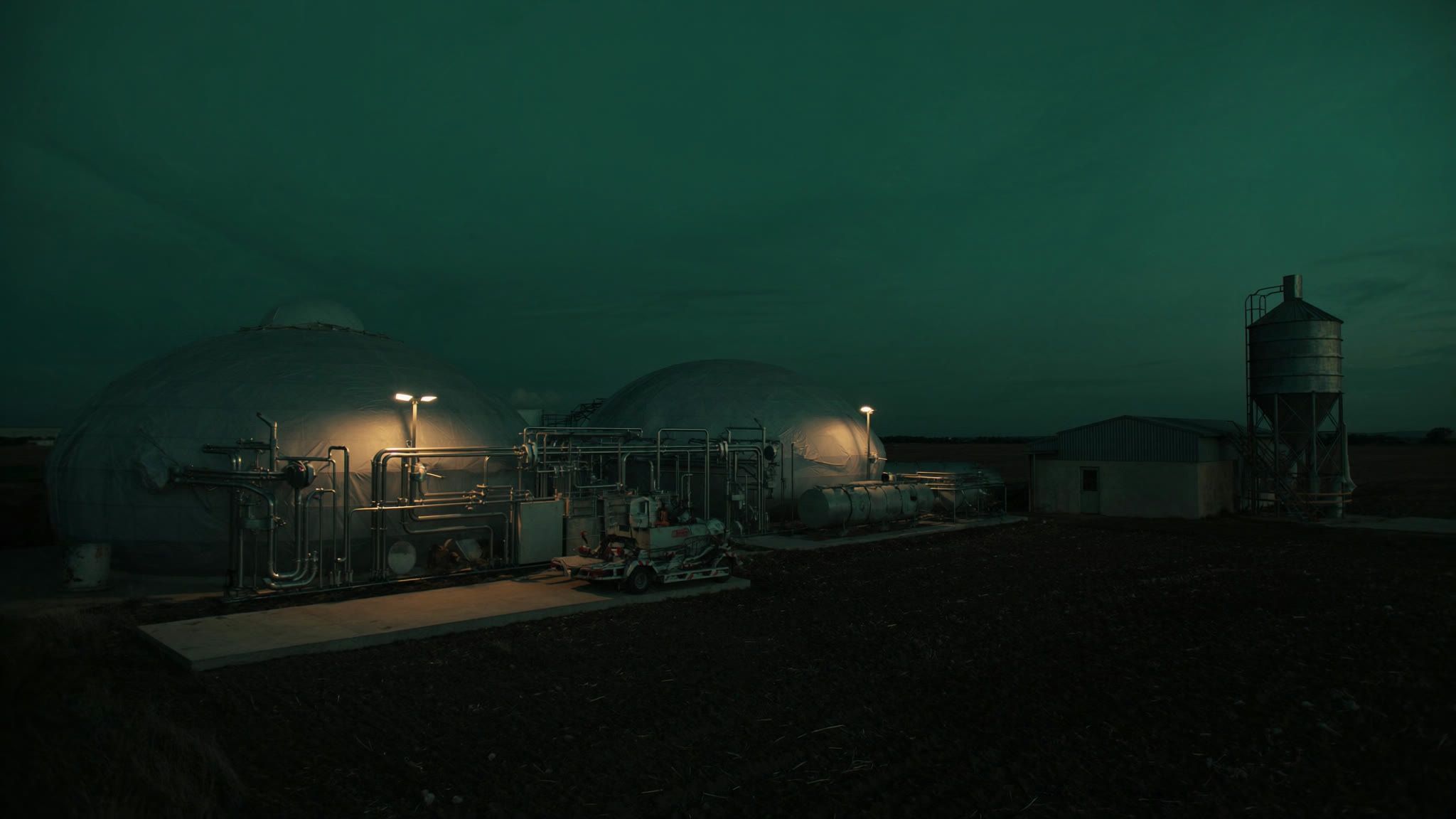
At Bachai, in Narsinghpur district of Madhya Pradesh, we operate a sugar mill, a grain distillery and a bagasse-fired power plant on a single site — and we are now building a Compressed Biogas plant alongside them. Cane becomes sugar; the fibre becomes power and steam; the filter cake becomes fuel; and what comes out of the digester goes back to the fields it came from.
- 15 TPD
- Compressed biogas · under development
- 6 stages
- Cane in, sugar, power, ethanol, gas · and back to the field
- 01 — Cane in. Farmers across our command area deliver cane to the mill.
- 02 — Sugar. Cane is crushed and the juice clarified into sugar, at 8,000 TCD. Sugar to market; bagasse and press mud kept as feedstock.
- 03 — Power from our own fibre. Bagasse is fired to raise steam and generate electricity, 36 MW installed. Power and steam to the mill and the distillery; ~10 MW exported to the state grid.
- 04 — Ethanol. Maize becomes fuel-grade ethanol for India’s blending programme, 300 KLPD. Ethanol to oil marketing companies; DDGS as cattle feed.
- 05 — Compressed Biogas — under development. Press mud is digested and upgraded to over 96% methane, 15 TPD. Off season the plant switches to cane trash and maize stover. Compressed biogas to market.
- 06 — And back to the field. Fermented organic manure returns to the farms that supplied the feedstock, closing the loop.
Six stages
- 01
Cane in
Farmers across our command area deliver cane to the mill.
- 02
Sugar
Cane is crushed and the juice clarified into sugar, at 8,000 TCD.
- 03
Power from our own fibre
Bagasse is fired to raise steam and generate electricity, 36 MW installed.
- 04
Ethanol
Maize becomes fuel-grade ethanol for India’s blending programme, 300 KLPD.
- 05
Compressed Biogas under development
Press mud is digested and upgraded to over 96% methane, 15 TPD.
- 06
And back to the field under development
Fermented organic manure returns to the farms that supplied the feedstock, closing the loop.