
Businesses · Narsinghpur · Madhya Pradesh
Our businesses
Sugar to wholesale and industrial buyers; ethanol to oil marketing companies; animal feed to farmers and feed manufacturers; surplus power to the state grid; compressed biogas under development.
Sugar
IllustrationSugar
8,000 TCD
Cane crushing · 1,500 TCD at founding → 4,500 TCD in 2014–15 → 8,000 TCD
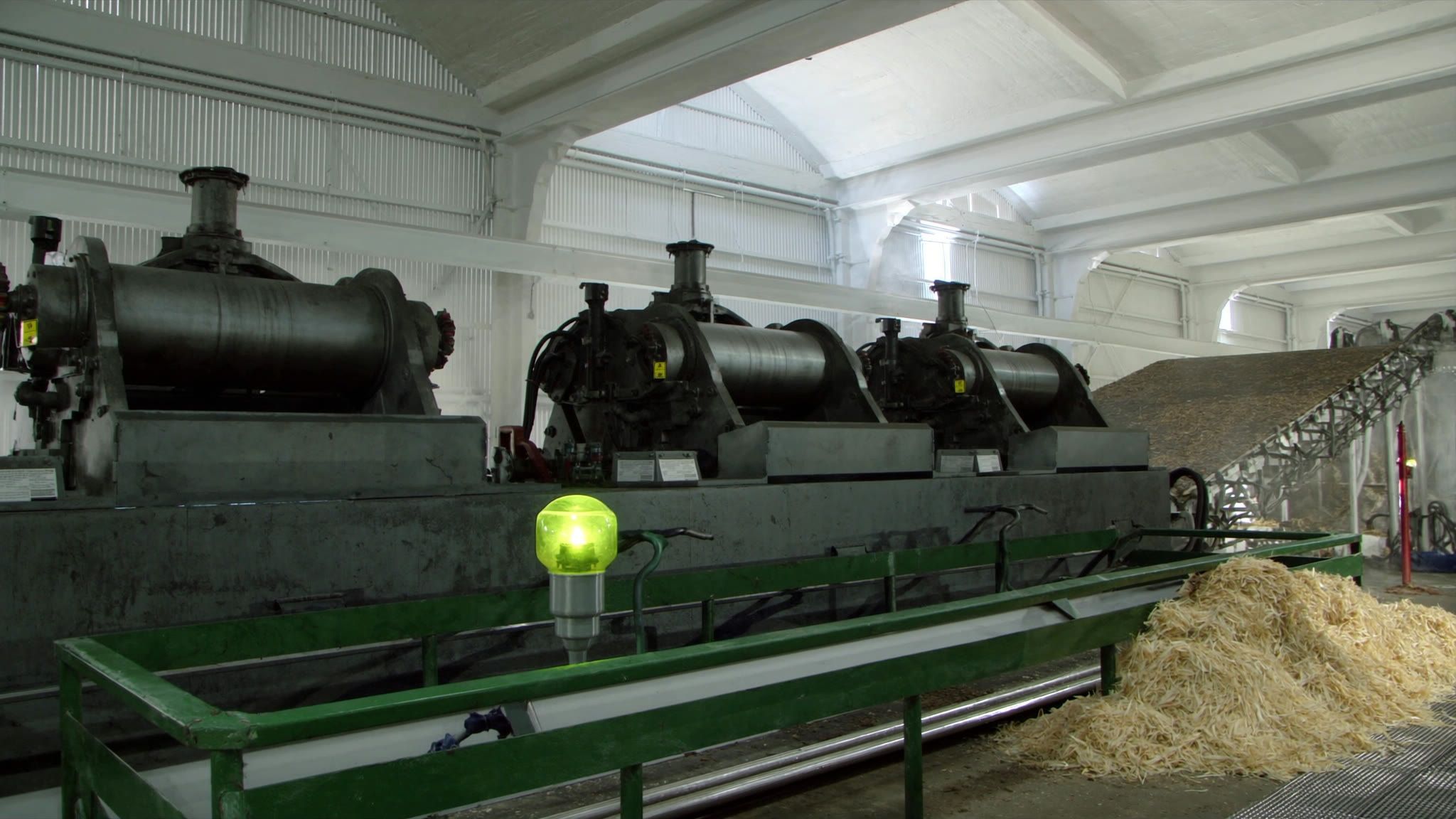
Cane is crushed and the juice clarified into sugar. Two things come out of this stage that most mills treat as problems to be disposed of: bagasse, the fibre left after crushing, and press mud, the filter cake removed during clarification. We treat both as feedstock.
- Capacity
- 8,000 TCD
- Sold to
- Wholesale and industrial buyers
- Co-products
- Bagasse · Press mud · Molasses
Ethanol
Ethanol
300 KLPD
Grain-based (maize) · expandable to 600 KLPD
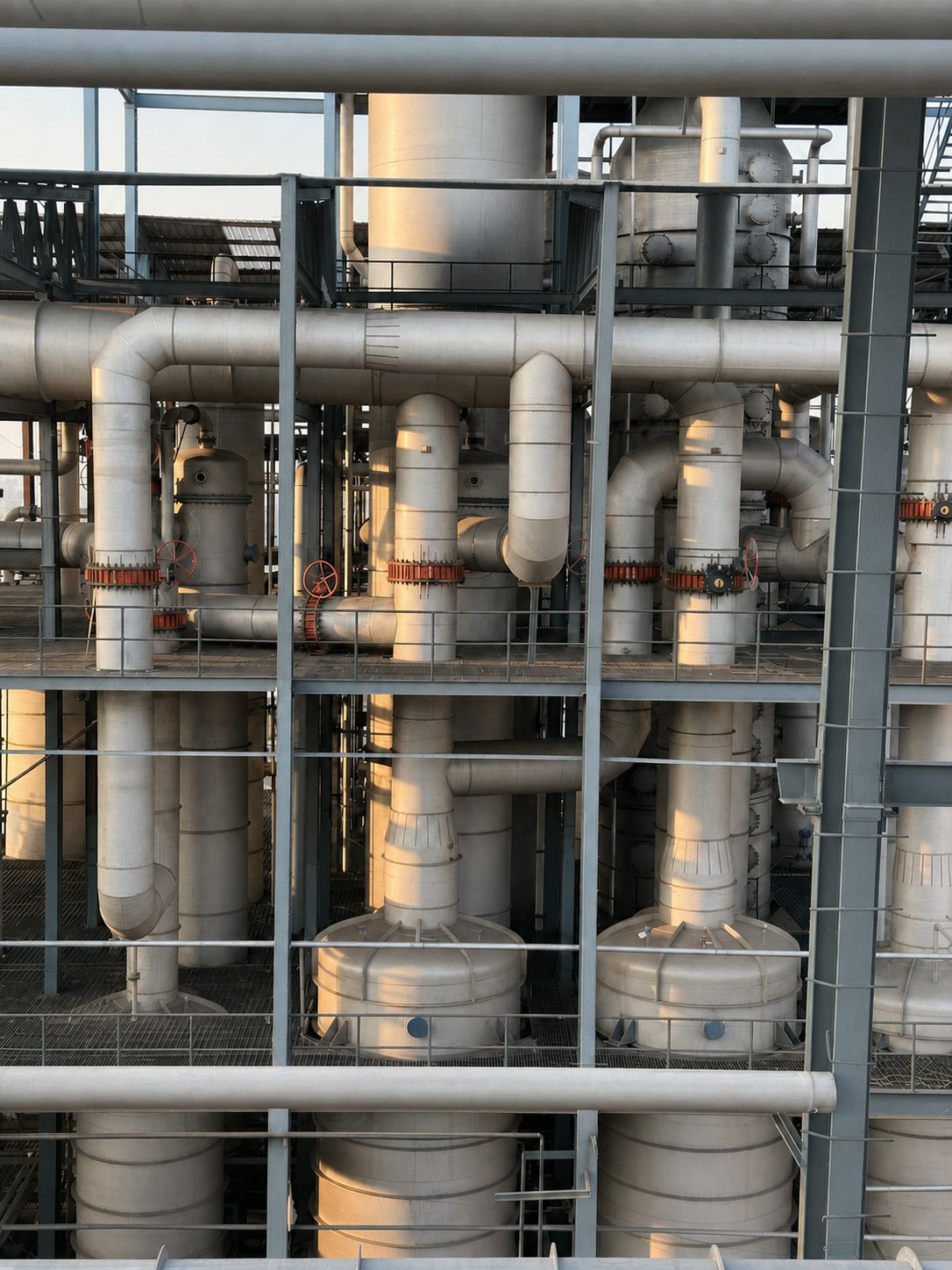
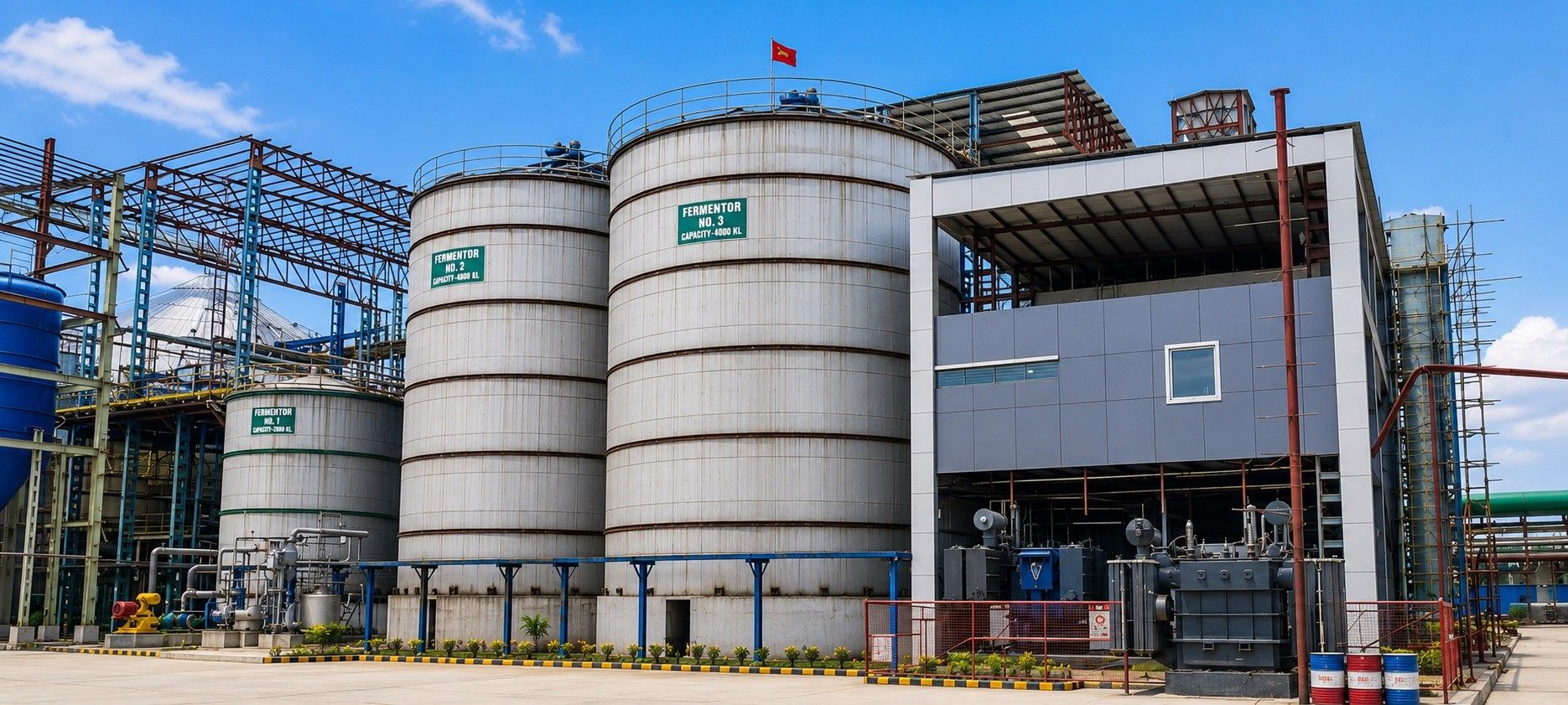
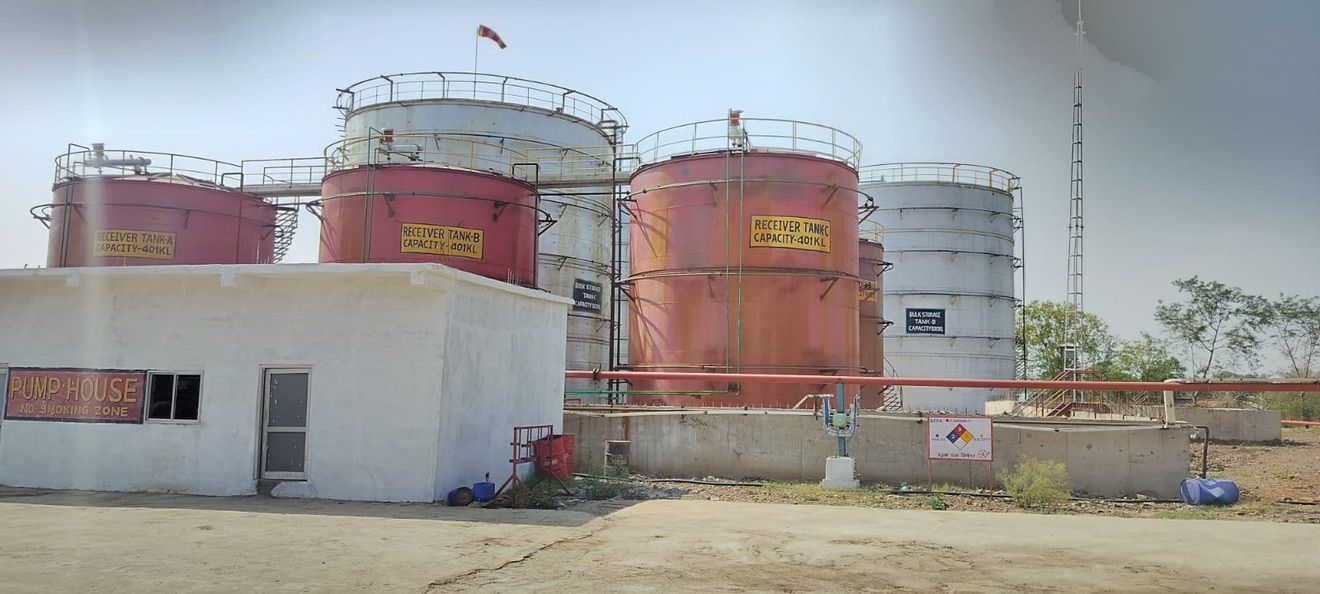
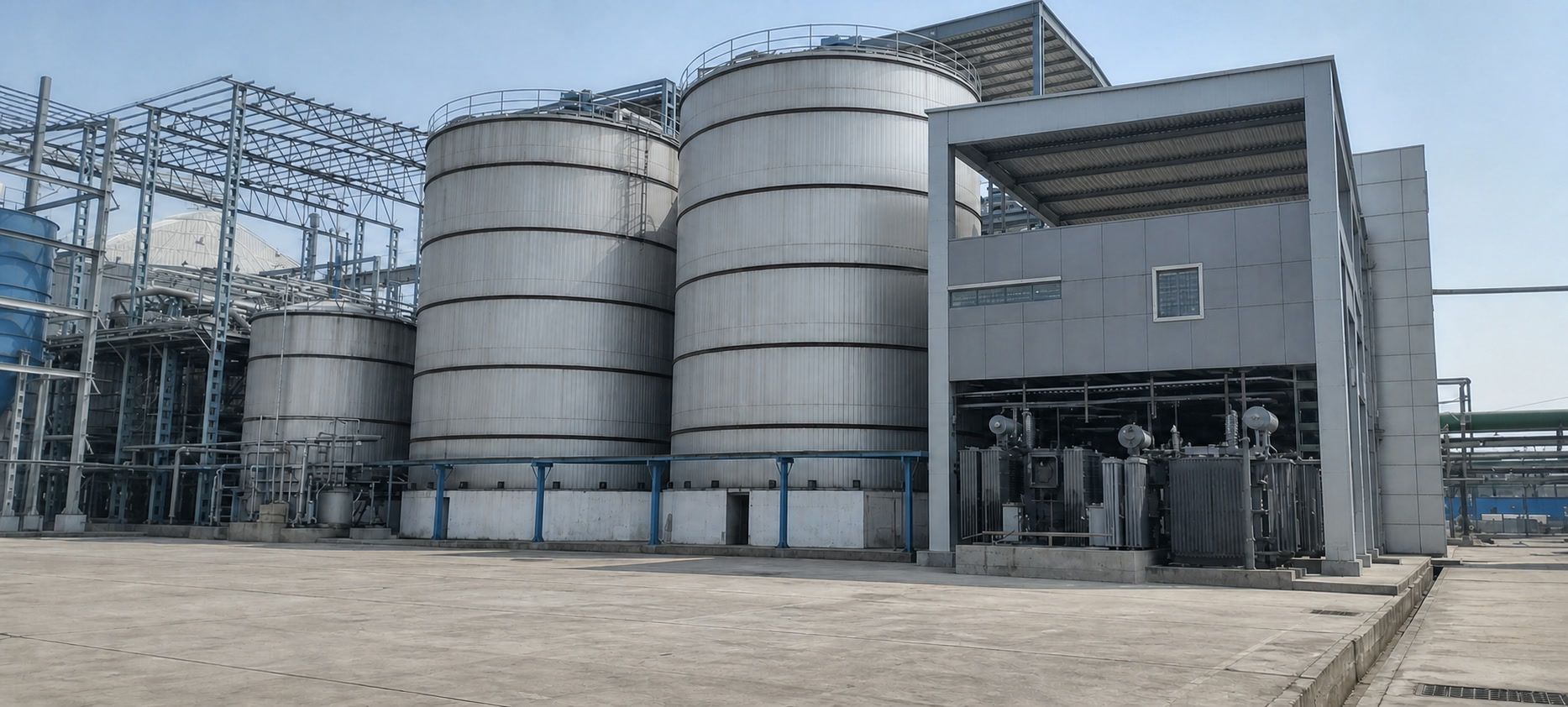
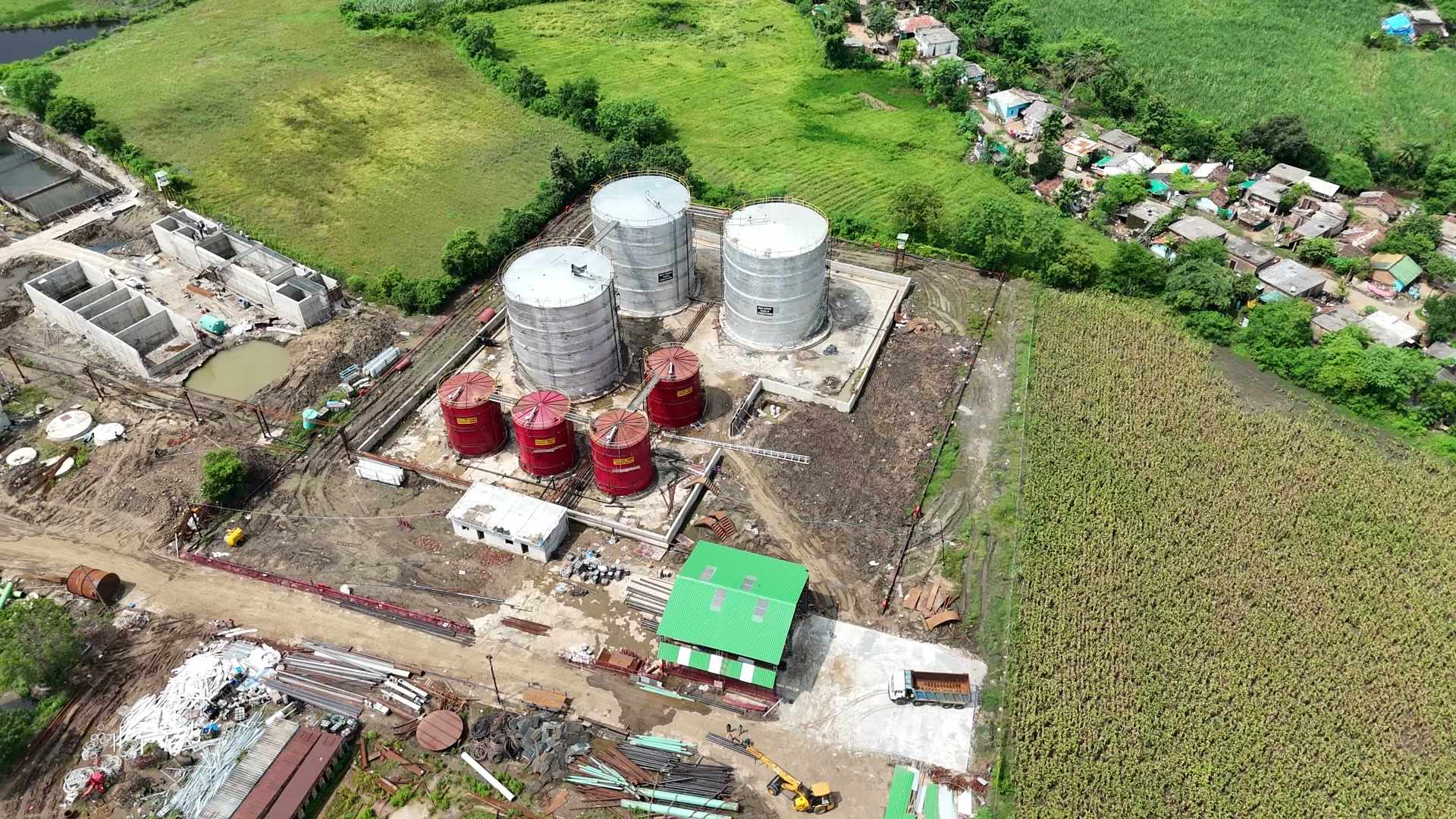
Our grain distillery converts maize into fuel-grade ethanol for India’s blending programme, running on steam and power from the cogeneration plant next door.
The distillery’s own residue does not go to waste either — it is recovered as DDGS, a high-protein cattle feed. That is a business in its own right, and it has its own section below.
- Capacity
- 300 KLPD, expandable to 600 KLPD
- Feedstock
- Maize
- Storage
- 1 crore litres (10,000 KL)
- Supplied to
- Oil marketing companies, under India’s ethanol blending programme
- Co-product
- DDGS, a high-protein cattle feed
Animal Feed
Animal Feed
200 TPD
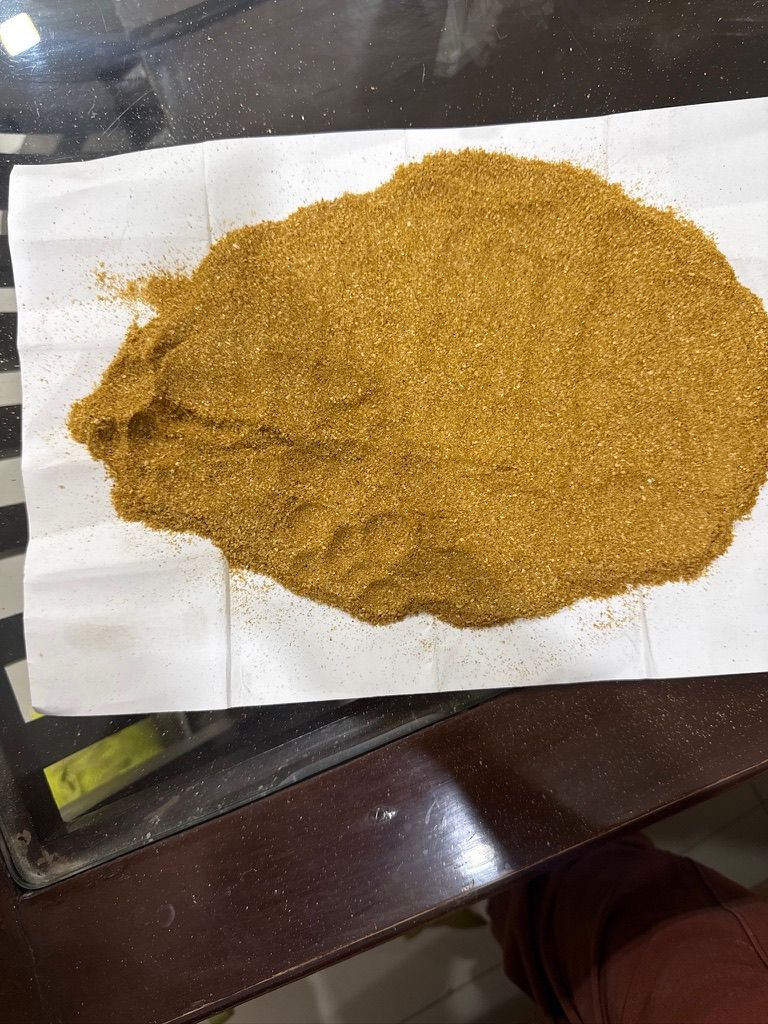
DDGS · pure maize · recovered from the grain distillery
Fermentation takes the starch out of the maize and leaves the protein, the fibre and the oil behind. Dried, that residue is DDGS — distillers dried grains with solubles — at 35% protein and 8% fat.
It is made from pure maize and nothing else, which is what gives it the colour and the consistency of the spec. It is also the reason a grain distillery need not be a wet, effluent-producing neighbour: the material that would otherwise be a disposal problem leaves the site as livestock nutrition, into the same rural economy that supplies the grain.
Product DDGS — distillers dried grains with solubles Protein 35% Fat 8% Feedstock Pure maize — no other grain Recovered from The 300 KLPD grain distillery Output 200 TPD Sold to Farmers, and animal feed manufacturers
Power
Illustration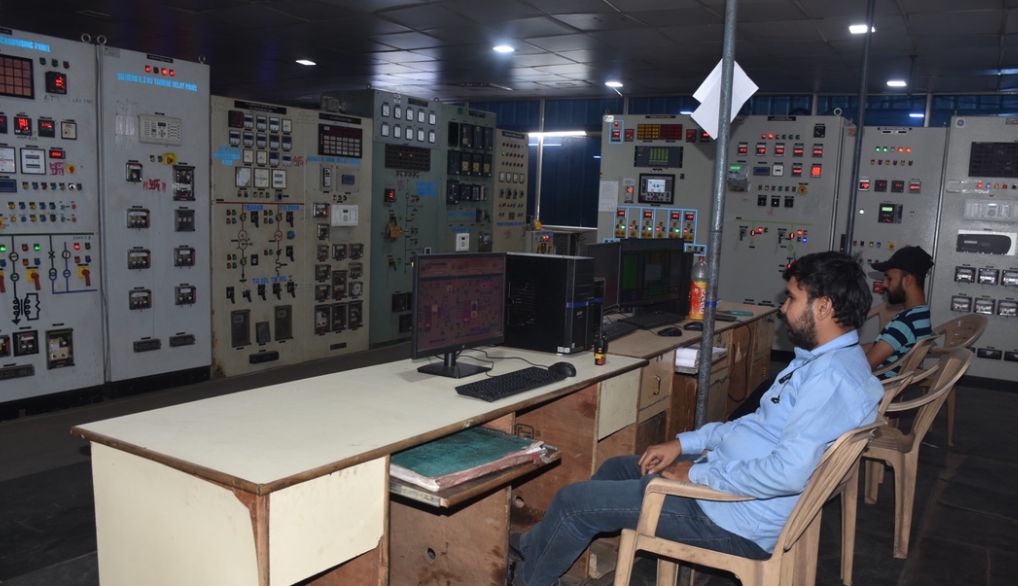
Power
36 MW
Bagasse cogeneration · commissioned 2016 · ~10 MW exported
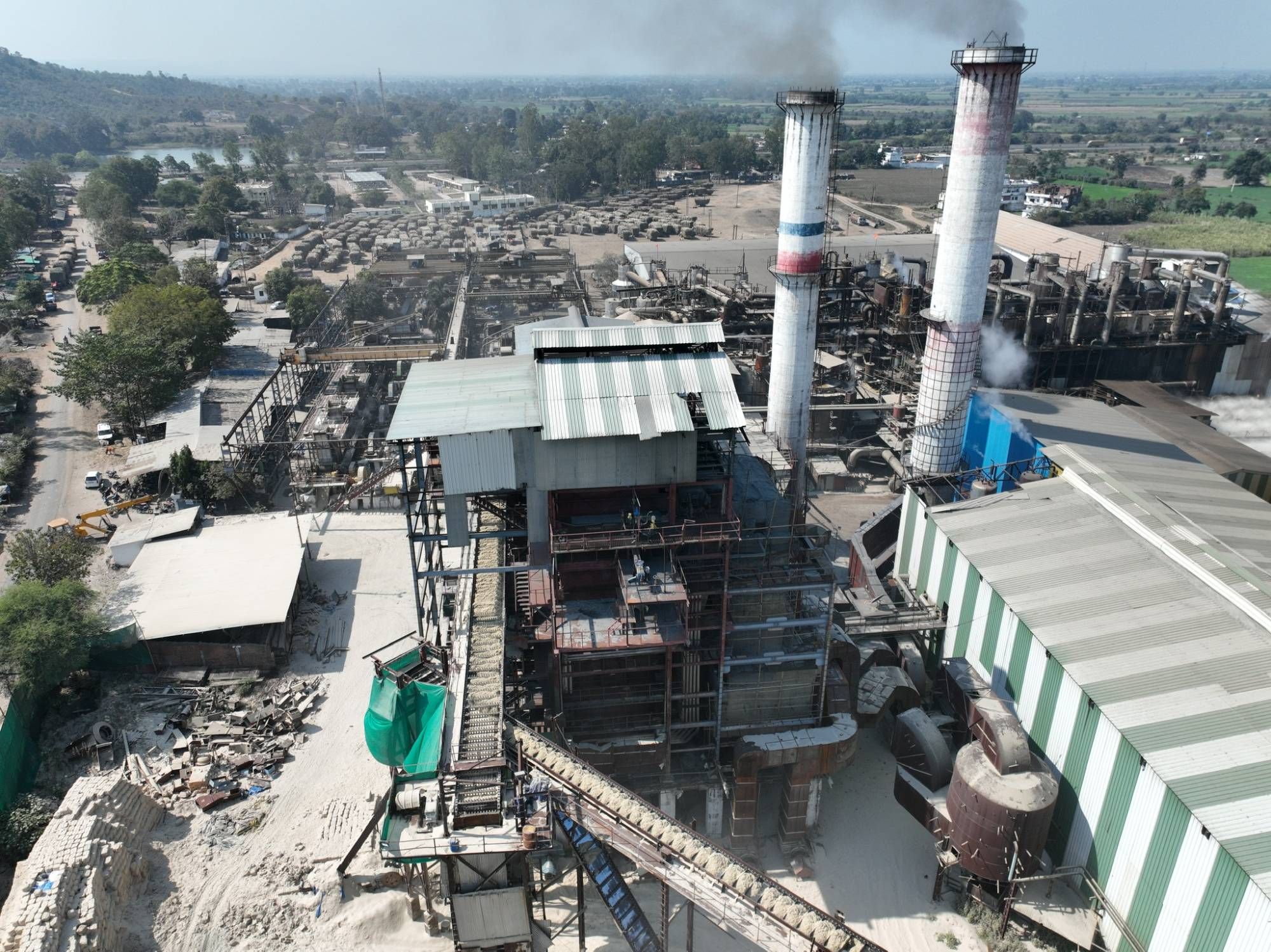
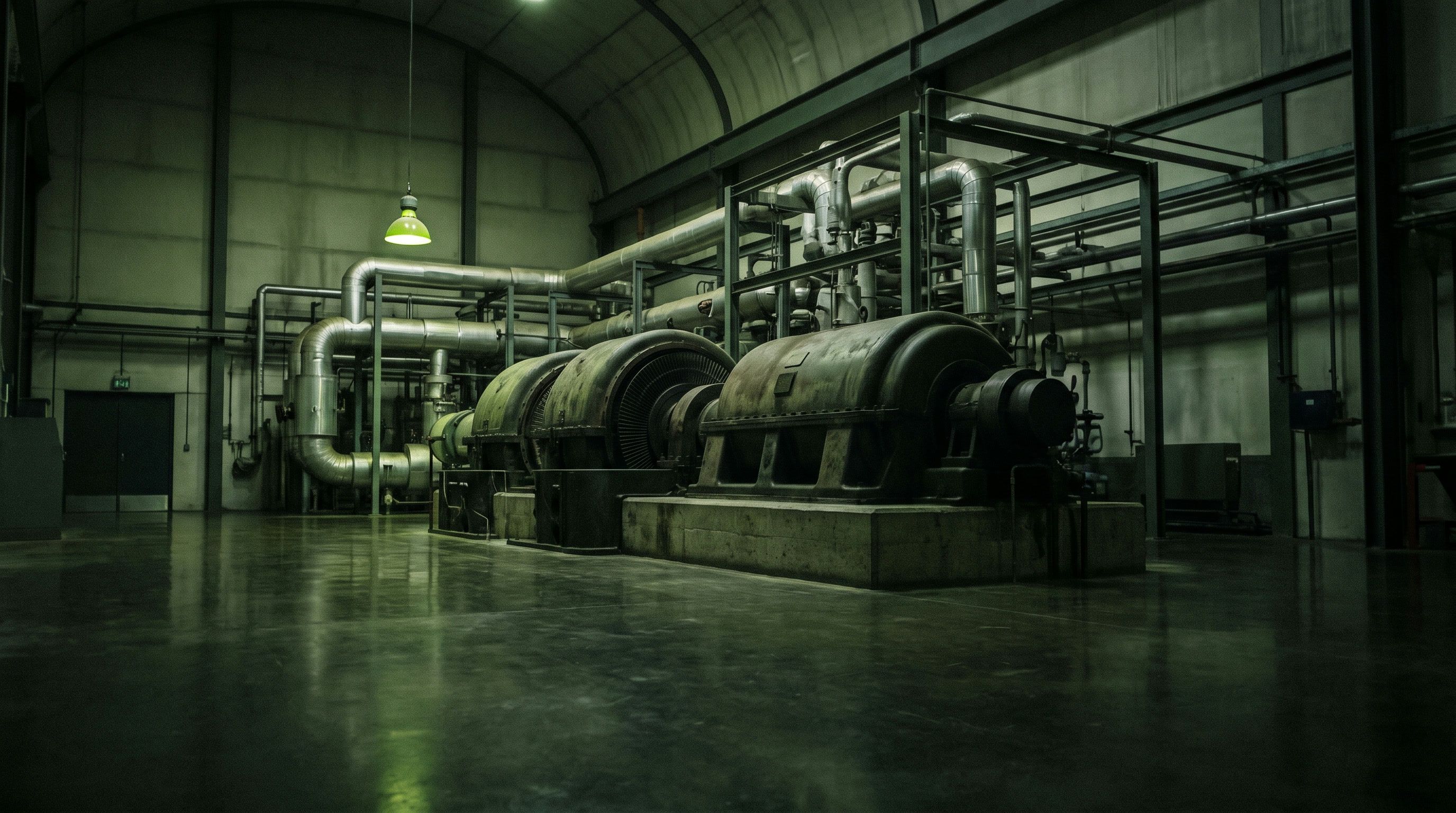
Bagasse is fired in our cogeneration plant to raise steam and generate electricity. That power and steam run the sugar mill and the distillery. The surplus is exported to the state grid.
The complex is not powered by coal or by grid electricity — it is powered by the residue of the cane the farmer delivered that morning.
Installed 36 MW Exported ~10 MW to the state grid Commissioned 2016 Fuel Bagasse from our own mill
Molasses
Molasses
Co-product line
What each unit leaves behind, and where it goes
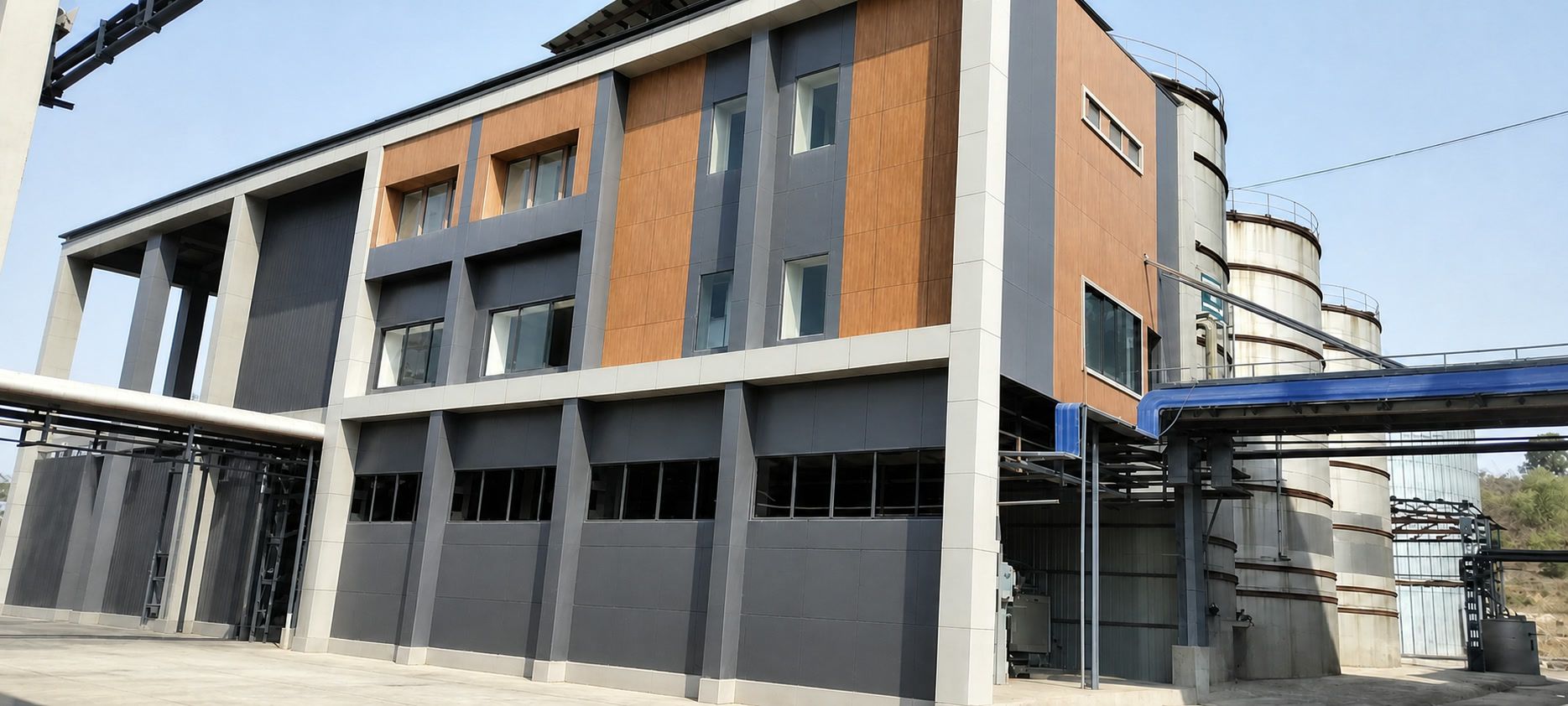
Molasses is one of three materials the sugar mill leaves behind — bagasse, press mud and molasses. We treat bagasse and press mud as feedstock; molasses is sold on its own account.
Compressed Biogas
Illustration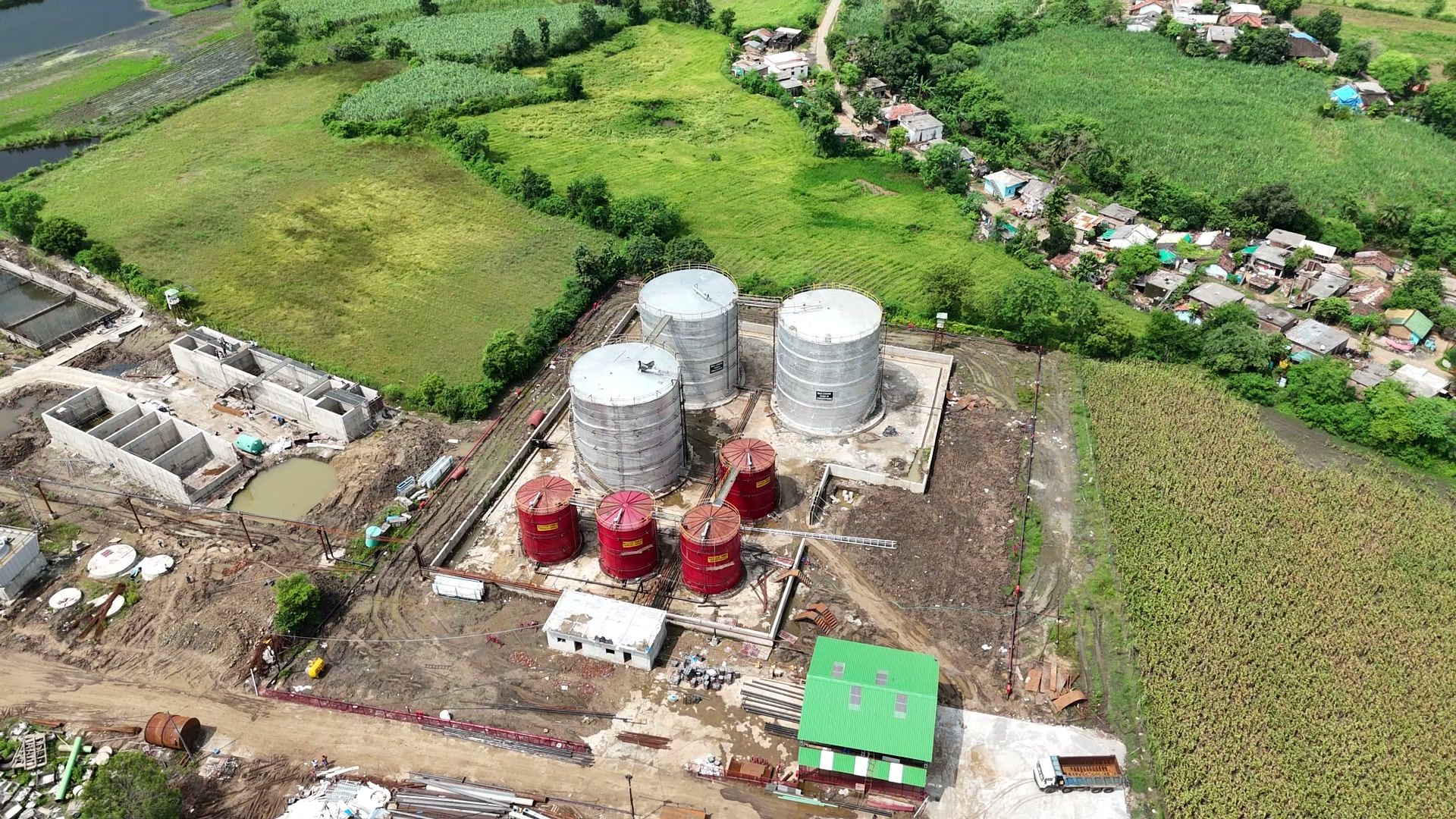
Compressed Biogas
15 TPD
Under development
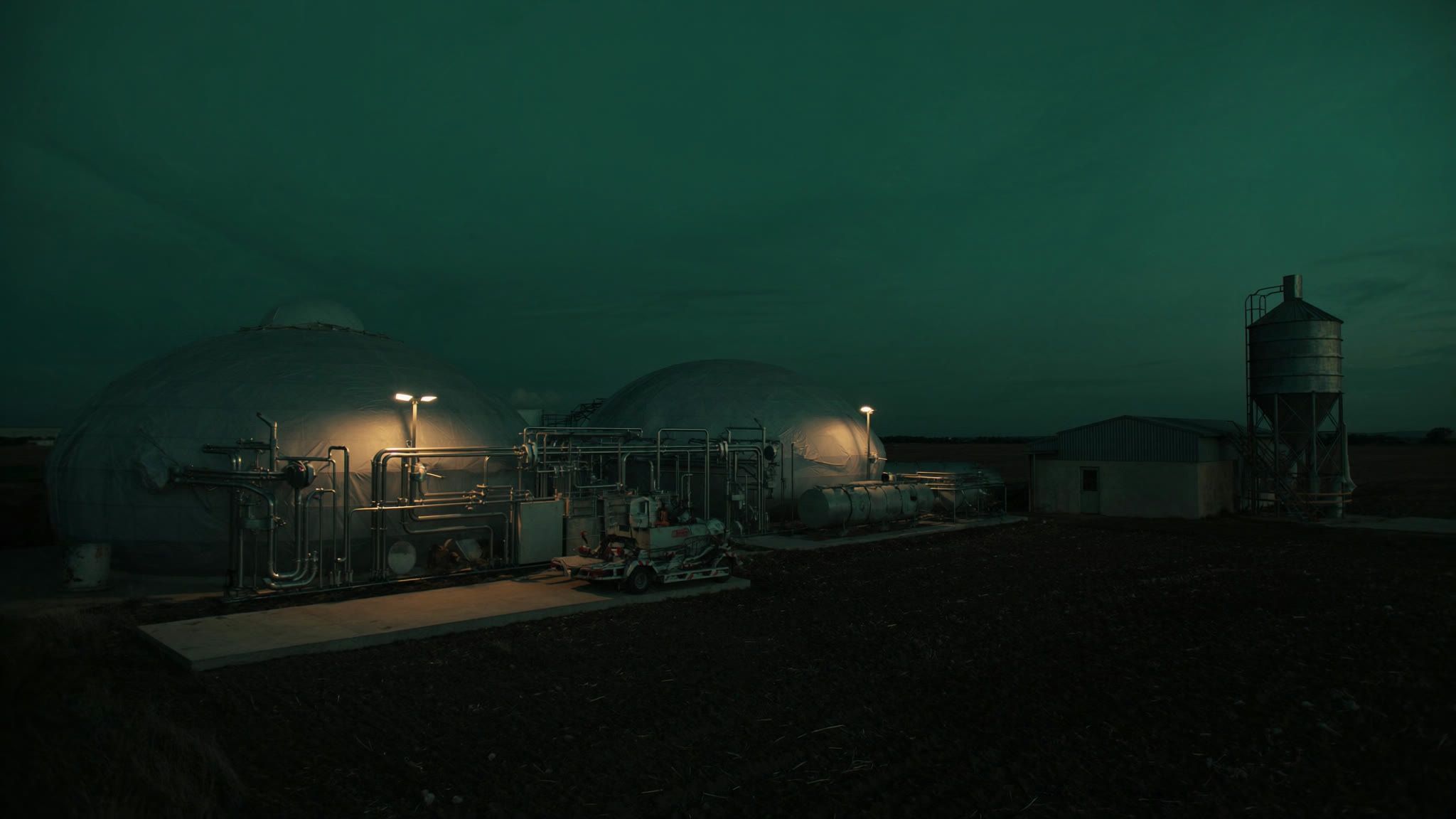
Press mud has historically been a low-value material. Composted slowly in open yards, it emits methane into the atmosphere and returns very little. Anaerobic digestion changes what it is worth.
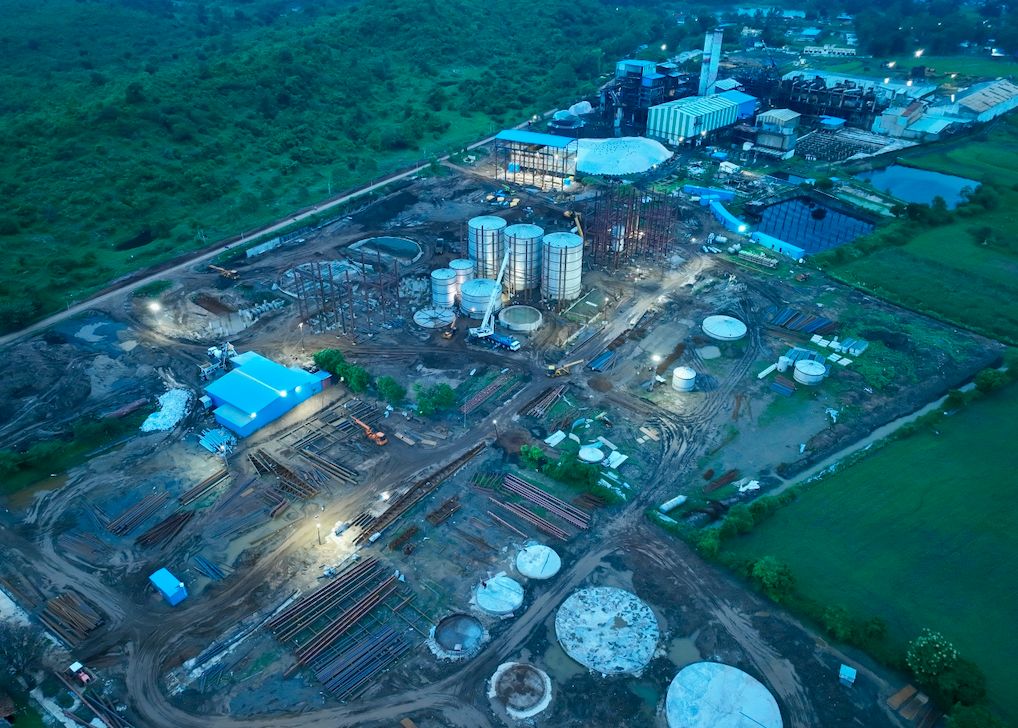
Our CBG plant will take press mud from our own mill and from neighbouring mills, digest it, and upgrade the resulting biogas to over 96% methane — a fuel meeting IS 16087 and interchangeable with CNG. Once the crushing season ends, the plant does not stop. It switches to agricultural residue — cane trash and maize stover from the same farms that supply our cane and our grain.
Capacity 15 TPD Status Under development Feedstock Press mud in season; cane trash and maize stover off season Output Biogas upgraded to over 96% methane, meeting IS 16087, interchangeable with CNG Residue Fermented Organic Manure, recognised under the Fertiliser Control Order
Integration
IllustrationWhy integration is the point
Each of these plants is harder to justify alone. A standalone CBG plant has to go out and find feedstock, negotiate with farmers who have never sold to it, and build a collection network from nothing. A standalone distillery has to buy power and steam. A standalone sugar mill has to pay to dispose of its press mud, and gets very little for its bagasse.
Put together on one site, each one’s problem is another’s raw material. The feedstock is already coming through the gate. The power is already being generated. The farmer relationship already exists. The land, the weighbridge, the workshop, the laboratory, the effluent system and the management are shared. That is what makes the economics work — and it is not something a greenfield project can replicate.